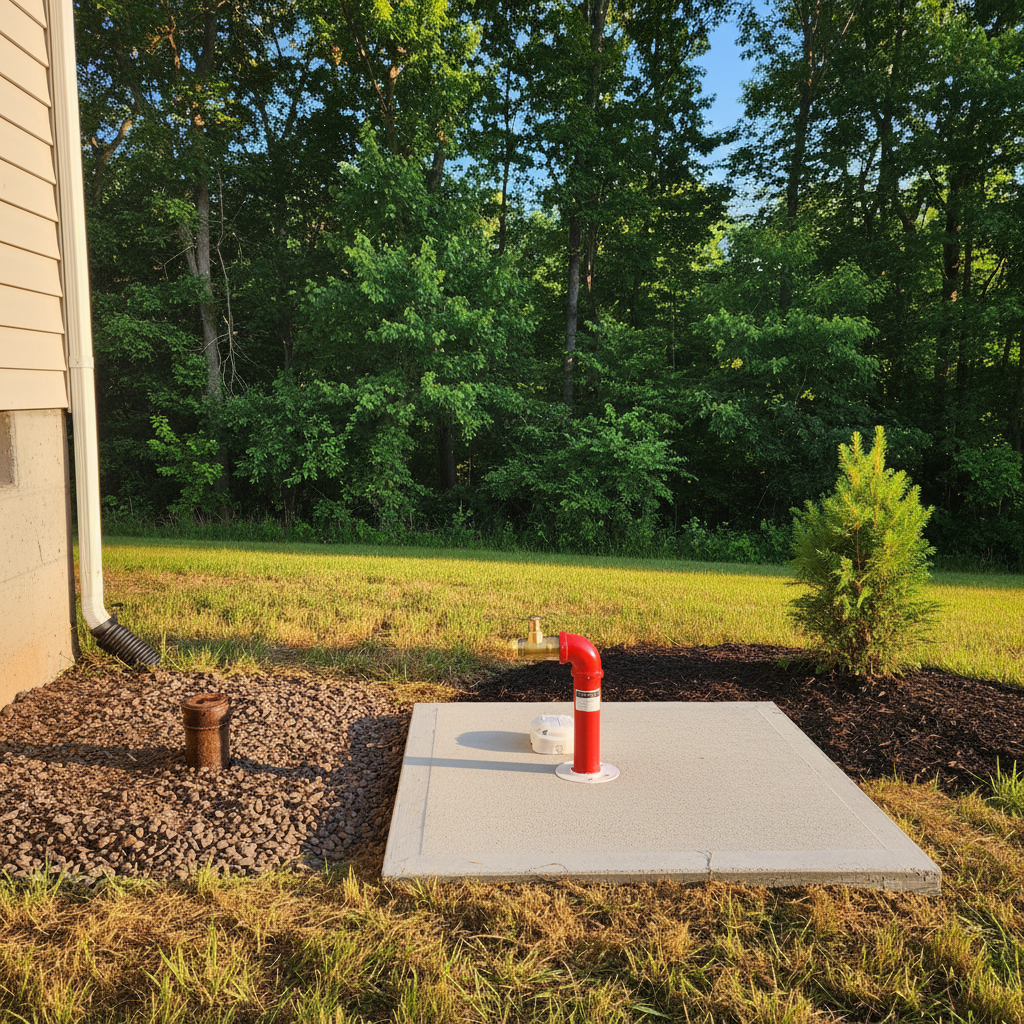
Alright, let's talk about fuel for your home. Specifically, we're looking at propane versus natural gas. I get a lot of questions about this from folks all over Birmingham, from Vestavia Hills to the older homes downtown. It's a big decision, and frankly, there's a lot of misinformation out there. So, I'm gonna lay it out straight for you, based on what I've seen working in this town for years.
Natural Gas: The City Dweller's Friend
First up, natural gas. If you're in a developed area, chances are you've got a natural gas line running right to your house. It's super convenient because it's piped directly to you. You don't have to worry about tanks, deliveries, or running out in the middle of a cold snap. That's a huge plus, especially when those Alabama winters decide to get serious for a few days.
Cost-wise, natural gas is generally cheaper per BTU than propane. The state often regulates it, so prices tend to be a bit more stable, though they still fluctuate. You'll get a monthly bill, just like your electricity or water. Maintenance? Not much for you to do on the supply side, as the gas company handles the lines up to your meter. Your appliances will need their regular check-ups, of course, but that's true for any fuel type.
Durability isn't really a factor for the fuel itself, but the infrastructure is pretty tough. Those underground lines are built to last. Appearance? Well, there's nothing to see! No tanks cluttering up your yard, which is a big deal for some homeowners who care about curb appeal.
Propane: The Flexible Powerhouse
Now, let's talk propane. This is the go-to for folks who aren't on the natural gas grid, or who want a backup fuel source. If you're out in a more rural part of Jefferson County, or if you've got a new build that's just too far from existing lines, propane's your huckleberry. It's stored in a tank on your property, and a supplier delivers it when you need a refill.
The cost of propane can be a bit more volatile than natural gas. It's a commodity, and prices can jump around based on supply and demand. You'll typically buy it in bulk, and sometimes you can get a better deal if you sign up for a contract or prepay. You do have to keep an eye on your tank level, though many suppliers offer automatic delivery based on your usage, so you don't run dry. Running out is a real pain, especially if it happens when you're trying to cook dinner or take a hot shower.
Maintenance for propane involves making sure your tank is in good shape and that your lines are secure. Tanks need to be inspected periodically, and you'll want to keep the area around them clear. As for durability, the tanks themselves are built tough, designed to withstand the elements. They'll last for decades if properly maintained.
Appearance is where propane sometimes loses points. You've got a big tank in your yard. Now, you can often screen it with landscaping, but it's still there. Some folks don't mind it, others really do. It's a personal preference.
What About Alabama Conditions?
Here in Alabama, we get some pretty intense weather. We're talking hot, humid summers and occasional severe thunderstorms, sometimes even ice storms that can knock out power. If the power goes out, your natural gas furnace might still work (if it doesn't rely on electricity for the fan or ignition), but things like water heaters usually need electricity. Propane can be a great option for generators, providing reliable power when the grid goes down. That's a huge comfort for some folks, especially if you're worried about losing heat or refrigeration during an extended outage.
Also, our red clay soil in Birmingham can be tough on underground lines, whether they're gas, water, or sewer. While natural gas lines are buried deep and protected, any digging or ground movement can potentially cause issues. Propane tanks are above ground, which means they're easier to inspect for leaks or damage, but also more exposed to the elements.
My Recommendation for Birmingham Homeowners
Look, if you've got natural gas available at your property line, and you're not planning on going completely off-grid, I'd generally lean towards natural gas for your primary heating and appliances. The convenience, typically lower and more stable cost, and lack of on-site storage are hard to beat.
However, if natural gas isn't an option, or if you're looking for energy independence and a reliable backup for things like a whole-home generator, propane is an excellent choice. It's clean-burning and efficient. Many homes even use a mix – natural gas for the furnace and water heater, and then a smaller propane tank for a gas grill or a fireplace insert. It all depends on your specific needs, your budget, and what's available where you live.
Whatever you choose, make sure you're working with reputable installers and suppliers. And if you ever find yourself in a bind with a vehicle that's run out of gas or needs a tow, you know who to call. Tow Truck of Birmingham is always ready to help get you back on the road, no matter the fuel type.